
If you've recently been injured in an accident due to someone else's negligence, your focus is naturally on recovery. However, if you plan to pursue a personal injury claim for compensation in Illinois, what you do in the days and weeks following the incident is critical. Thorough documentation is the backbone of any successful claim, helping to prove the extent of your injuries and the impact on your life.
As Illinois residents, remember that the standard statute of limitations for filing a personal injury lawsuit is typically two years from the date of the injury. Getting a head start on documentation is essential to protect your rights within this timeframe.
Seek Immediate and Consistent Medical Attention
This is the most important step. Prompt medical attention is vital not only for your health but for your claim's validity.
Establish Causation: Seeking care right away creates a clear, documented link between the accident and your injuries. Any delay may lead an insurance adjuster to argue your injuries were not serious or were caused by something else.
Follow Doctor’s Orders: Attend all follow-up appointments, physical therapy, and specialist visits. Inconsistent treatment can be used by the opposing side to suggest your injuries are not as severe as you claim.
Keep Everything: Save every medical record, including ER reports, doctor's notes, diagnostic test results (X-rays, MRIs), prescriptions, and physical therapy summaries.
Collect Visual Evidence of Your Injuries
Visual evidence is powerful and often undeniable. Document your physical injuries as they change over time.
Initial Photos: Take clear, well-lit photos and videos of your injuries immediately after the accident—bruises, cuts, swelling, and any visible trauma.
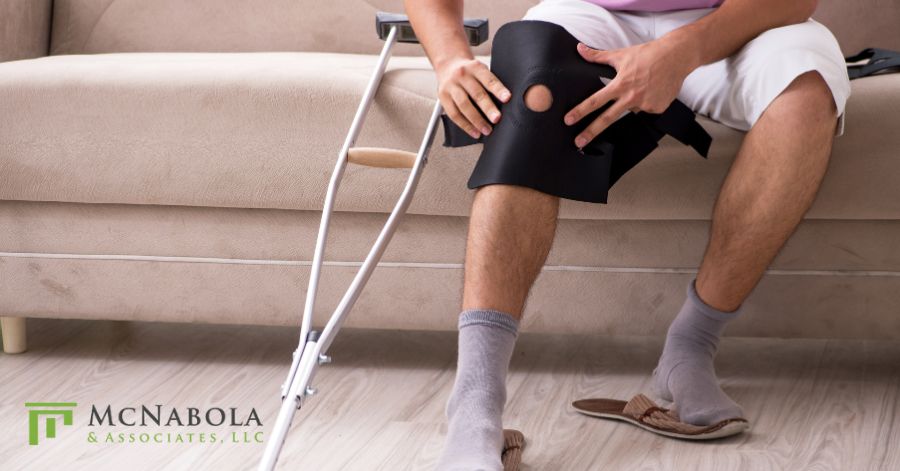
Track Progression: Continue taking photos throughout your recovery process to show the healing, scarring, or long-term effects. If you require assistive devices (crutches, casts, braces), photograph them.
Document the Scene: If possible, take photos or video of the accident scene, including property damage, hazardous conditions, and contributing factors.
Maintain a Detailed Injury and Recovery Journal
Medical records don't always capture the daily struggle of a serious injury. A personal injury journal provides a crucial, non-economic account of your damages.
Daily Symptoms: Log your pain levels, frequency, and location. Be honest and specific about your discomfort.
Impact on Daily Life: Detail how your injuries limit your activities—missing work, inability to perform household chores, difficulty sleeping, or emotional distress. This helps prove "pain and suffering" damages.
Record Expenses: Jot down any out-of-pocket costs related to your injury, such as transportation to appointments, parking fees, and over-the-counter medications.
Document All Financial Losses
Your claim must clearly show the financial toll of your injury.
Lost Wages: Gather pay stubs, W-2s, and a letter from your employer confirming the days and hours you missed, or any reduction in your earning capacity.
Medical Bills: Keep an organized file of all bills, statements, and receipts for every service, from ambulance rides to pharmacy co-pays.
Secure Your Rights With Legal Counsel
The best step you can take after documenting your injuries is consulting with an experienced personal injury attorney from McNabola & Associates, LLC. We can organize your evidence, ensure you meet all legal deadlines, and handle all communication with insurance companies.
If you or a loved one in Illinois has been injured and is pursuing a personal injury claim, don't navigate the complex legal landscape alone. Call us today at (312) 888-8700 to protect your right to full and fair compensation.