
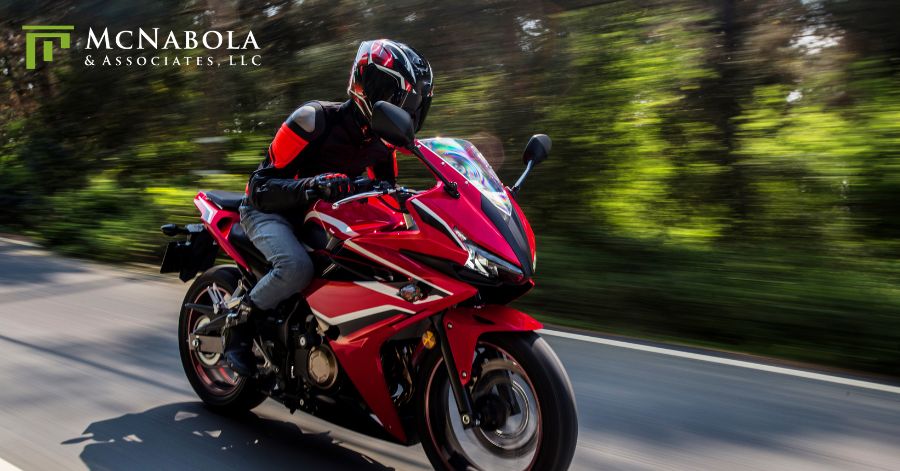
For Illinois motorcyclists, the arrival of spring is more than just a change in the weather—it is the official start of the riding season. After months of winter storage, there is nothing quite like the feeling of the open road across the Prairie State. However, with that freedom comes a unique set of seasonal hazards that can lead to motorcycle accidents. Understanding the specific risks of the Illinois riding season is the first step in ensuring your journey is as safe as it is enjoyable.
When is the Illinois Riding Season?
While the most dedicated riders might brave the roads year-round, the traditional riding season in Illinois typically spans from May through October.
The "peak" months—May through September—offer the most consistent weather, but they also see the highest volume of traffic. Because Illinois weather is notoriously unpredictable, riders often face a "second season" of sorts in early spring and late autumn, where fluctuating temperatures and debris from winter salt or fallen leaves require extra vigilance.
Common Risks on the Road
Even the most experienced riders face heightened risks during the peak season. In Illinois, these often include:
- Left-Turn Collisions: One of the most frequent causes of accidents occurs when a vehicle turns left at an intersection, failing to see an oncoming motorcycle or misjudging its speed.
- Visual Invisibility: Due to their smaller profile, motorcycles can easily disappear into a driver’s blind spot. Many accidents occur simply because a driver "didn't see" the rider before changing lanes.
- Road Hazards: Winter in Illinois is hard on the pavement. Early in the season, riders must look out for deep potholes, leftover road salt, and loose gravel, all of which can cause a loss of traction.
- Unpredictable Spring Storms: Sudden rain showers can turn dry pavement into a slick surface in minutes, especially when oil and debris mix with the first few minutes of rainfall.
Essential Safety Tips for a Secure Season
Safety isn't just about how you ride; it’s about how you prepare. Follow these tips to minimize your risk:
- Perform a "Spring Tune-Up": Before your first ride, check your tire pressure, fluid levels, brakes, and lights. Batteries often lose charge over the winter, and tires can develop flat spots or cracks.
- Wear the Right Gear: While Illinois law only mandates eye protection (shatter-resistant glasses, goggles, or a transparent windshield), wearing a DOT-approved helmet, reinforced jacket, and gloves can significantly reduce the severity of injuries in a crash.
- Ride Defensively: Never assume a driver sees you. Maintain a safe following distance—at least three to four seconds—and stay out of blind spots whenever possible.
- Refresh Your Skills: If you haven't been on your bike in six months, your reaction times might be rusty. Spend an afternoon in a quiet parking lot practicing low-speed maneuvers and emergency braking before hitting the highway.
Protecting Your Rights After an Accident
Even the most cautious motorcyclists can be victims of another driver’s negligence. If you or a loved one has been injured in a motorcycle accident this season, you need a legal team that understands the complexities of Illinois road laws and the unique challenges riders face. The experienced attorneys at McNabola & Associates, LLC are dedicated to helping injured motorcyclists secure the compensation they deserve.
To discuss your case and learn more about your options, contact McNabola & Associates, LLC at (312) 888-8700.